
Why Do Photographers Charge “So Much” for Digital Images? - Denver Newborn Photographer
If you’ve ever looked at a price list and thought:
“Wait… it’s how much for a digital file?
But it’s just a JPEG… right?!”
You’re not alone.
This is one of the most common questions photographers get, and honestly, it’s a fair one. On the surface, a digital file feels like it should cost about as much as a venti latte and a muffin.
So let’s pull back the curtain a bit. I’m going to walk you through:
What you’re actually paying for when you buy digital images
Why digitals are often priced higher than prints
And why you can’t buy just a print without the digital image.
Grab a drink and settle in—this is the nerdy, honest deep dive photographers wish every client could read.


First Big Truth: You’re Not Paying for the File
A lot of photographers describe it this way:
You’re not paying for the file… you’re paying for everything it took to create that file, plus the value it holds for you over time.
When you buy a digital image, you’re not just buying “one picture.” You’re buying the master file that can be turned into prints, albums, wall art, cards, gifts and more—over and over again, for years. That’s why many photographers price digital files based on their value and the potential to create lots of products from them, not on what it costs to send an email.
Think of it like buying the recipe and lifetime rights to make your favorite cake at home, instead of just buying a single slice at the bakery.

What Actually Goes Into One Finished Digital Image?
Let’s zoom out and look at the whole journey of a photograph, especially for something like a newborn session.
1. Before You Even Walk in the Door
There’s a whole invisible layer of work that happens before the camera comes out:
Emailing, messaging, scheduling, contracts, and planning
Styling and prep (choosing wraps, outfits, props, backdrops)
Studio rent, utilities, cleaning, heat/AC, insurance
Business tools: booking systems, galleries, editing software, website, etc.
Those costs exist whether the photographer shoots one session a month or ten.
2. The Session Itself
For newborns, it’s not a quick 20-minute “snap and go.”
2–3+ hours of careful posing, settling, feeding breaks, safety checks
Experience and training to handle and pose babies safely
Assistants, if used, to keep everything smooth and secure
Custom sets, props, outfits that the photographer has invested in over time
That’s a lot of hands-on, focused time that doesn’t show up in “just a file.”
3. Culling & Editing (aka The Rabbit Hole of Time)
After you leave, the real work begins.
A single session can easily involve hundreds of frames. A photographer has to:
Import and back up all the images
Go through and select the best ones (culling)
Hand-edit each chosen image: color, exposure, skin tones, background cleanup, stray hairs, blemishes, distractions, and so on
The goal isn’t “good enough for Instagram.” It’s good enough to hang on your wall for 20 years.
4. Delivery, Backup & Archiving
Then there’s:
Exporting images in the right sizes and formats and color space
Uploading to an online gallery service (which the photographer pays for)
Long-term storage and backups (multiple drives, cloud storage, etc.)
All of this is baked into what you’re paying for when you buy digitals.


So… Why Are Digital Images Often More Expensive Than Prints?
This is where things really mess with people’s heads:
“An 8×10 print is $X… but the digital is more than that?
That makes no sense!”
Totally understandable reaction. Here’s what’s going on.
1. The Digital File Is the “Master”
When you buy a print, you’re buying one physical thing.
When you buy a digital, you’re buying the ability to:
Print it as many times as you want
Make canvases, albums, cards, gifts
Share it online, use it as your screensaver, keep it forever
Because that one file can generate many products over its lifetime, photographers price digitals according to that long-term value, not just the cost of sending it over email.
2. It Replaces Future Product Income
Traditionally, photographers made most of their income from selling prints and products. The session fee covered a small portion; the majority of profit came when clients ordered wall art, albums, and gift prints.
When a photographer gives you high-resolution digitals with a print release, they’re effectively handing you the whole store:
You can print elsewhere
You can reorder as much as you want
You may never need to buy another product from them
So the digital price has to reflect the reality that it’s replacing those future sales.
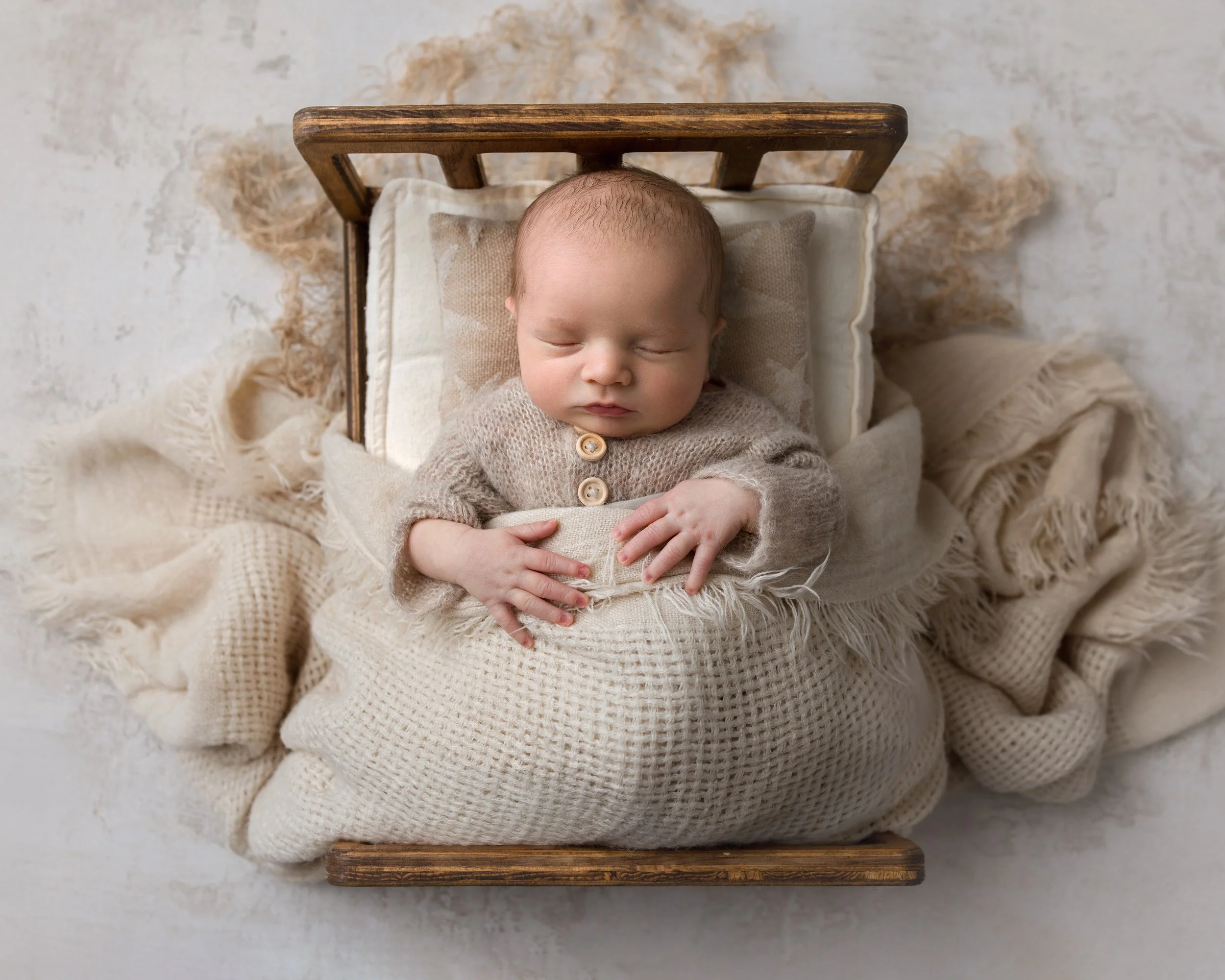

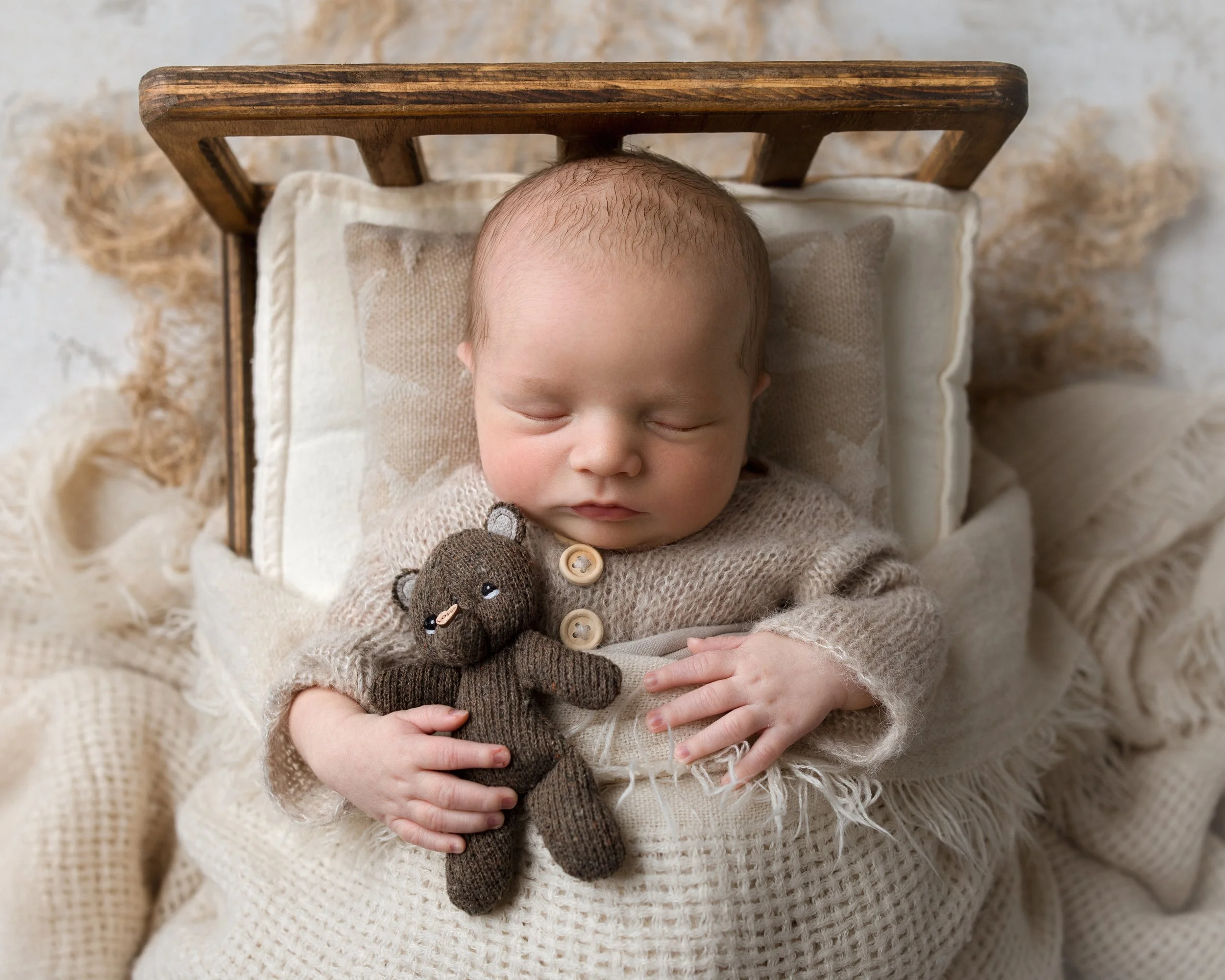
What You’re Really Buying From a Photographer (Beyond Pixels)
When you hire someone for newborn, family, or milestone photos, you’re also paying for:
Years of training & practice – knowing how to pose, light, and flatter every body and every baby.
Safety & expertise – especially for newborns, where posing and handling require real knowledge, not just “winging it.”
Artistic style – that consistent, beautiful look you fell in love with on their website doesn’t happen by accident.
The full experience – a stocked studio, curated props and outfits, a calm space where you can just relax and enjoy while someone else handles the details.
Reliability – backups, contracts, systems, and a business that will still exist when you need them in a few years for your next milestone.
The digital image is the deliverable.
The service, skill, and care behind it are the real product!



“Why Can’t I Just Buy Prints Without the Digital File?”
This is another totally reasonable question — and the answer comes down to the process of how a finished photograph is made.
Think of it like baking a cake.
Before I can give you a slice (the print), I first have to bake the whole cake (the edited digital image). The cake doesn’t come ready-made — I have to measure, mix, bake, and decorate it first.
It’s the same with photography. A photo doesn’t come out of the camera ready to print. I still have to:
Choose the best shot
Fully edit it so colors, skin tones, and details look right
Prepare the file for the print lab
Once that work is done, the edited digital image already exists — that’s the final, finished piece of artwork everything is created from.
In other words:
👉 A print can’t exist without first creating the edited digital file.
It’s not about forcing people to buy more — it’s that the real effort is in “baking the cake,” not just slicing the piece.



Final Thoughts
Photographers don’t price digital images highly because they’re “just files.” They price them that way because those files are:
carefully crafted artwork
created through hours of skilled labor
preserved as long-term, printable master files
and capable of becoming lifelong heirlooms for your family
If digital images have ever felt overpriced or confusing, I hope this pulled back the curtain a little. They may look like “just files,” but they carry memories, stories, and moments you’ll never get back — and that’s where their real value lives.